Call (970) 293-4901 or fill out the form below to get a free quote on hardscape patio projects and outdoor residential fireplaces for Summit County, Colorado home.
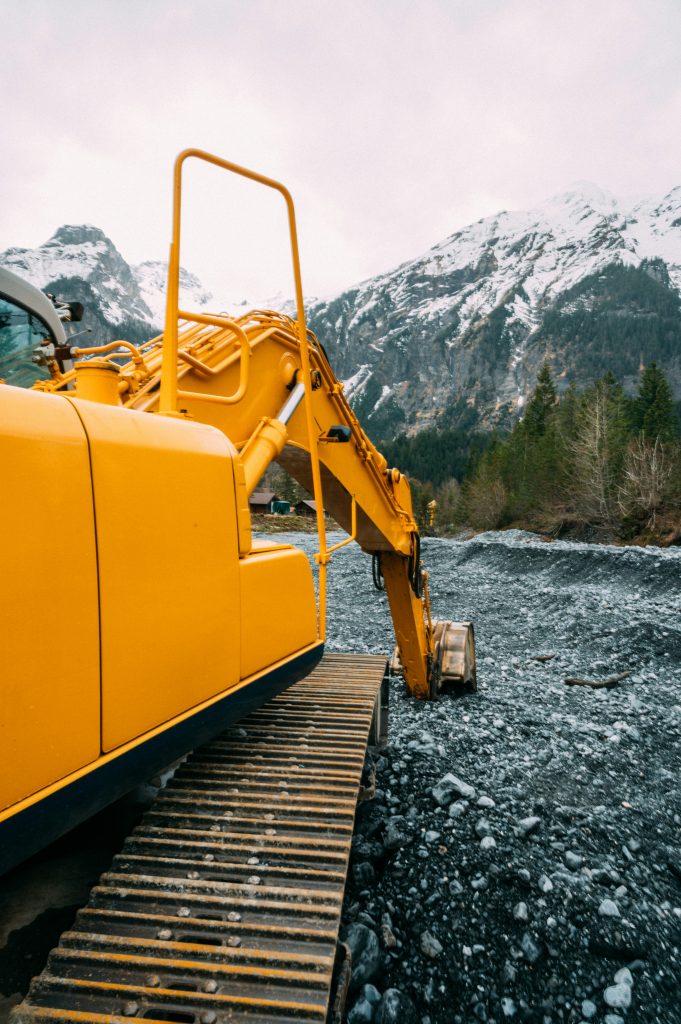
Hardscape Patios and Outdoor Fireplaces in Summit County, CO | Flagstone, Pavers, & Stone
SummitCountyContractor.com connects Summit County property owners with experienced local hardscape contractors for patios, walkways, outdoor fireplaces, fire pits, retaining walls, and outdoor kitchens. Mountain hardscape is a different discipline than flatland patio work. Freeze-thaw cycles, frost depth to 48 inches, snow load on flat surfaces, drainage on slopes, and the short construction season all shape how the work has to be done if you want the installation to last twenty years instead of two.
When you submit a request through this directory, your project is routed to a participating local hardscape contractor serving Breckenridge, Frisco, Dillon, Silverthorne, and the surrounding Summit County area. summitcountycontractor.com is a directory and lead connection website. We do not perform construction work directly.
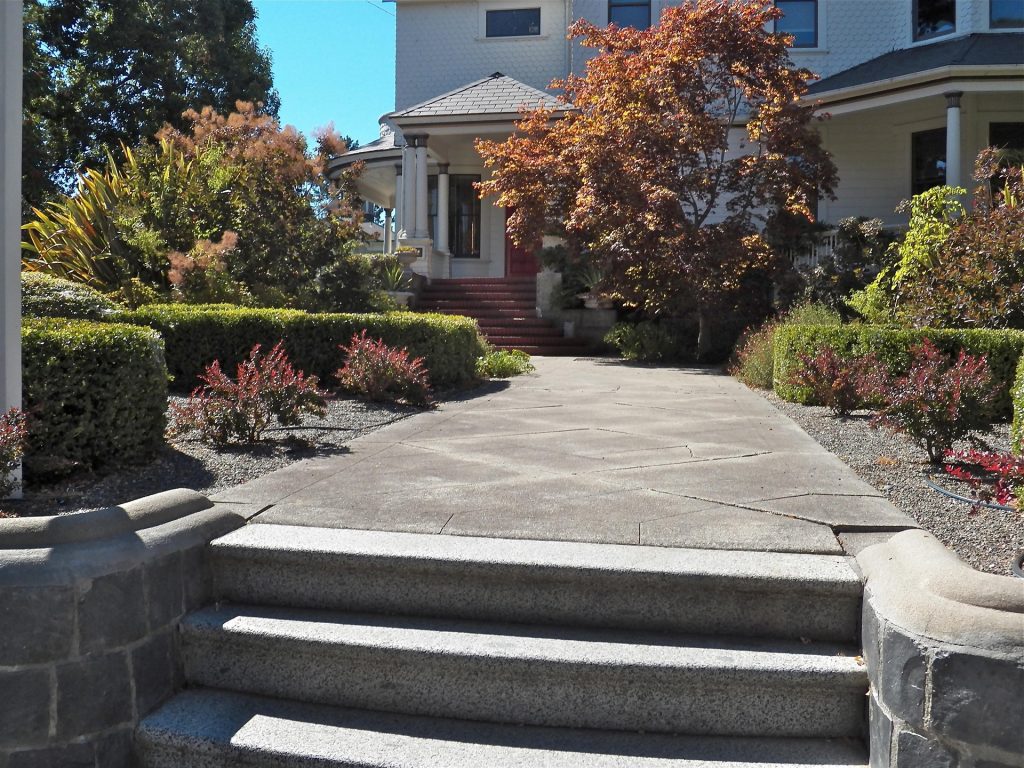
Summit County Hardscape Services
The hardscape contractors in this directory build the full range of permanent outdoor stone, paver, and concrete features for Summit County mountain homes. Every service below is engineered for the freeze-thaw cycles, snow load, and drainage realities of building at 9,000 feet and above.
Flagstone Patios in Summit County
Flagstone is the most popular patio material for Summit County mountain homes because the natural stone reads correctly against the alpine setting and the irregular shapes create visual interest that uniform pavers cannot match. The hardscape contractors in this directory work with Colorado Buff, Arizona Flagstone, Lyons Red, and other regionally appropriate stone in both dry-laid and mortared installations.
Mountain flagstone patios require deeper base preparation than flatland installations. The standard approach is 8 to 12 inches of compacted road base over a geotextile fabric layer, then a 1 inch sand setting bed, then the stone. This base depth sits below frost line in most Summit County applications and prevents the upheaval that destroys patios installed on shallow bases.
Joint material matters as much as the stone. Polymeric sand is the standard for mortared installations, but at altitude the polymer can become brittle in the second or third winter. Many Summit County hardscape contractors specify polymeric sand rated for cold climates, decomposed granite for dry-laid joints, or true mortar for permanent installations.
Typical Summit County flagstone patio cost ranges from $30 to $55 per square foot installed, with the variance driven by stone selection, base preparation depth, drainage complexity, and access to the site.
Paver Patios and Walkways in Summit County
Paver patios offer a more uniform aesthetic than flagstone and have several mountain-specific advantages: pavers can be lifted and reset if the base settles, individual damaged units can be replaced without destroying the surrounding work, and the engineered base systems are well-documented for cold-climate performance.
The hardscape contractors in this directory work primarily with Belgard, Pavestone, Techo-Bloc, and Unilock paver lines. These manufacturers produce paver units rated for freeze-thaw cycles in zones equivalent to or harsher than Summit County, with absorption rates and compressive strengths that hold up at altitude.
A correctly installed Summit County paver patio uses a base depth of 8 to 12 inches compacted to 95 percent Proctor density, an edge restraint system rated for snow plow impact if the patio is near a driveway, and joint sand swept into the gaps and stabilized with polymeric binder. Cutting around obstacles, drains, and architectural transitions is where the experience of the contractor shows up most.
Paver walkways, paver pool decks, and paver driveways follow similar engineering with adjusted base depths for the load. A driveway-rated paver installation in Summit County typically uses 12 to 14 inches of base.
Typical Summit County paver patio cost ranges from $25 to $45 per square foot installed, with paver walkways at the lower end and complex driveway installations at the higher end.
Custom Outdoor Fireplaces in Summit County
A Summit County outdoor fireplace extends usable patio season by months. The hardscape contractors in this directory design and build wood-burning, gas, and convertible outdoor fireplaces in stone veneer, full stone, brick, and stucco finishes.
Outdoor fireplace construction in Summit County involves more than masonry skill. The chimney height, flue diameter, firebox geometry, and clearance to combustibles all need to meet the relevant code requirements (typically the 2021 IRC as adopted with Colorado amendments, plus any local Summit County or Town of Breckenridge supplements). For gas appliances, the gas line sizing, regulator placement, and ignition system selection are part of the design phase, not an afterthought.
Mountain-specific design considerations include sizing the firebox for high-altitude combustion (less oxygen per cubic foot of air at 9,000 feet means firebox geometry that works at sea level can smoke at altitude), ensuring the foundation is below frost line on a properly drained pad, and choosing veneer stone with absorption rates that handle freeze-thaw without spalling.
Typical Summit County outdoor fireplace cost ranges from $8,000 for a simple gas insert installation in a modest stone surround to $35,000 or more for a full custom wood-burning fireplace with seating walls, mantel, and storage.
Fire Pit Installation in Summit County
A fire pit is the most efficient hardscape feature dollar for dollar in Summit County because the cost is a fraction of a full outdoor fireplace and the use cases overlap heavily for most homeowners. The hardscape contractors in this directory install gas fire pits, wood-burning fire pits, smokeless wood-burning units (Solo Stove, Breeo, Tiki), and custom built-in stone or block fire pit installations.
For gas fire pits, the line sizing and regulator selection determine flame height and reliability. Many Summit County homeowners initially specify a fire pit too small for their use case, then regret it within the first season. The 36 inch to 48 inch diameter range is the practical sweet spot for a four to eight person seating layout.
Fire pit placement matters more in Summit County than in lower elevations because of two factors: the prevailing wind patterns in each Summit County town are different (Breckenridge’s wind direction is not Frisco’s), and the snow plow path on most properties dictates where built-in fire pits can survive a winter without damage. A good Summit County hardscape contractor walks the site before specifying location.
Typical Summit County fire pit installation cost ranges from $1,500 for a basic gas insert in a prefabricated surround to $12,000 or more for a full custom built-in stone fire pit with integrated seating and a gas line run from the home.
Stone Walkways and Steps in Summit County
Walkway and step construction is the most code-sensitive hardscape category in Summit County because steps that fail in winter create real liability. The hardscape contractors in this directory build flagstone walkways, paver walkways, natural stone steps, and integrated walkway and step systems with handrails where the rise demands them.
Step geometry has to follow IRC rise and run requirements, which means consistent rise (no more than 7.75 inches) and minimum tread depth (at least 10 inches). Variable risers are the most common failure mode in DIY mountain step installations and the most common reason for slip and fall incidents on residential property in winter.
Snow and ice on stone walkways is a permanent condition for half the Summit County year. The right surface treatment for a walkway varies by orientation. North-facing walkways benefit from textured stone or pavers with a slip-resistant surface, while south-facing walkways can use smoother flagstone because they typically clear themselves with solar gain by mid-morning.
Typical Summit County stone walkway cost ranges from $35 to $65 per linear foot for flagstone, with stone steps adding $300 to $800 per step depending on stone type, height, and structural complexity.
Retaining Walls in Summit County
Retaining walls are a structural element disguised as a hardscape feature. The hardscape contractors in this directory design and build segmental retaining wall systems (Allan Block, Versa-Lok, Keystone), boulder walls using local granite, mortared stone walls, and concrete walls finished with stone veneer.
Wall height drives the engineering. Walls under 4 feet typically do not require an engineer’s stamp in Summit County, while walls over 4 feet usually do. Walls supporting driveways, parking areas, or structures require engineering at any height. Drainage behind the wall matters more than the wall face. A wall that fails in Summit County almost always fails because hydrostatic pressure built up behind it during the spring melt, not because the wall face was undersized.
Geogrid reinforcement, drainage stone behind the wall, perforated drain pipe at the base tied to daylight, and engineered backfill compaction are the four elements that determine whether a wall lasts twenty years or fifteen. Skipping any one of them is the most common reason for premature retaining wall failure in Summit County.
Typical Summit County retaining wall cost ranges from $35 to $75 per square foot of wall face, with engineered walls and tall walls at the higher end.
Outdoor Kitchens in Summit County
Outdoor kitchens are the highest-investment hardscape category and the one with the most variation in scope. The hardscape contractors in this directory build full outdoor kitchens with built-in grills, side burners, refrigerators, ice makers, sinks, prep counters, pizza ovens, smokers, and storage.
Mountain-specific outdoor kitchen design considerations include winterization (the water lines have to drain or be heated, the ice maker has to be drainable, the refrigerator should be rated for the temperature range or removable), code-compliant gas line installation with frost-proof regulators, and finish materials selected for freeze-thaw performance.
The dominant finish materials in Summit County outdoor kitchens are dry-stack stone veneer, manufactured stone, and stucco. Tile finishes are possible but require careful substrate selection and grout specification to avoid freeze-thaw damage.
Typical Summit County outdoor kitchen cost ranges from $15,000 for a basic built-in grill island with stone veneer to $80,000 or more for a full chef-grade outdoor kitchen with multiple appliances, full plumbing, and integrated lighting.
Why Mountain Hardscape Is Different
A patio installed correctly at 9,600 feet has to survive conditions a Front Range patio never sees. The five conditions that drive every design decision in Summit County hardscape:
Freeze-thaw cycles. Summit County experiences 100 to 140 freeze-thaw cycles per year depending on elevation and aspect, compared to 30 to 60 in Denver and 5 to 15 in coastal flatland regions. Every freeze-thaw cycle is a stress event for porous materials. Stone, mortar, concrete, and the joint material between pavers all need to be specified for this rate of cycling. Material that performs well in Denver may fail in Breckenridge in two seasons.
Frost depth. The frost line in Summit County reaches 36 to 48 inches depending on snow cover, soil type, and aspect. Foundation pads for outdoor fireplaces, posts for pergolas, and the structural elements of any tall hardscape feature need to extend below frost line or be designed to float (free-floating slab on a properly drained base) so seasonal soil movement does not crack the structure.
Snow load. Flat patios in Summit County hold snow for months at a time. The structural design of any covered patio, pergola, or pavilion has to account for ground snow loads in the 80 to 100 pound per square foot range, which is two to four times the load that drives most Front Range designs.
Drainage on slopes. Most Summit County properties are on grade. Surface and subsurface drainage management is the difference between a patio that lasts and one that becomes unstable on the first wet spring. Patios near downhill slopes need engineered drainage systems, not just surface pitching.
Construction season. Workable hardscape construction in Summit County typically runs from mid-May through mid-October, with the ground frozen too hard for excavation outside that window in most years. Booking a hardscape contractor in Summit County in the middle of the season often means a wait of 6 to 12 weeks for excavation start. Properties planning major hardscape installations should reach out in late winter or early spring to get on the schedule for the upcoming season.
Materials We Work With
Summit County hardscape contractors in this directory work with the materials that perform at altitude. The shortlist of standard materials and the reason each is used:
Flagstone. Colorado Buff, Arizona Flagstone, Lyons Red, Pennsylvania Bluestone (with cold-climate spec verification), and Tennessee Crab Orchard. All have absorption rates that handle Summit County freeze-thaw when properly installed.
Pavers. Belgard, Pavestone, Techo-Bloc, Unilock, and Mutual Materials product lines rated for freeze-thaw zones equivalent to or above Summit County exposure.
Natural stone for walls and veneer. Local granite (Summit County and surrounding peaks), Colorado fieldstone, and dry-stack ledgestone in regional color palettes.
Concrete. Air-entrained concrete with the appropriate aggregate gradation for freeze-thaw exposure. Properly air-entrained concrete is non-negotiable in Summit County applications.
Joint and base materials. Polymeric sand rated for cold-climate use, decomposed granite, and engineered road base compacted to specification.
Service Area Throughout Summit County
The hardscape contractors in this directory build patios, fireplaces, fire pits, retaining walls, and outdoor kitchens throughout Summit County and the surrounding mountain communities, including:
Breckenridge. Breckenridge patio installation, Breckenridge stone fireplace construction, Breckenridge fire pit installation, and Breckenridge outdoor kitchen design and build.
Frisco. Frisco patio installation, Frisco hardscape construction, Frisco retaining wall installation, and Frisco outdoor living space design.
Dillon. Dillon patio and fire pit installation, Dillon stone walkway construction, and Dillon outdoor fireplace design.
Silverthorne. Silverthorne hardscape installation, Silverthorne paver patio construction, and Silverthorne retaining wall design.
Keystone, Copper Mountain, Heeney, and surrounding areas. Hardscape installation throughout the broader Summit County area and into adjacent mountain communities on a project-by-project basis.
Park County. Fairplay and Alma hardscape projects evaluated case by case based on access and crew availability.
Lake County. Leadville hardscape projects evaluated case by case.
How the Process Works
Every hardscape project in Summit County follows roughly the same process whether you are building a 200 square foot flagstone patio or a 2,000 square foot outdoor living complex:
Initial consultation. The contractor meets you on site, walks the property, and discusses scope, materials, and budget range. Site walks in Summit County typically include reviewing access for excavation equipment, evaluating drainage, and identifying any below-grade utilities that need to be located before work starts.
Design phase. For larger projects, this includes scaled drawings, material selection, and review of any code or HOA requirements. Most Summit County HOAs and the Town of Breckenridge in particular have design review requirements for visible hardscape changes. This phase confirms what is permitted before excavation starts.
Estimate and contract. Written estimate with line-item pricing for materials, labor, equipment, permits if required, and any specialty trades (electrical for outdoor lighting, plumbing for outdoor kitchens or fire features, gas line work). Contract is signed before work is scheduled.
Permitting. Hardscape permits in Summit County are required for retaining walls over 4 feet, structural foundations for outdoor fireplaces, and any work that involves gas line modifications or electrical service changes. The contractor handles permit applications on most projects.
Construction. Excavation, base preparation, hardscape installation, and any specialty work follow in sequence. Mountain weather affects schedules. A summer thunderstorm can delay placement of polymeric sand by 24 to 48 hours, and an early snow can compress the closing window of the season.
Final walkthrough. The contractor walks the completed project with the homeowner, reviews maintenance recommendations, and provides any product warranties that apply.
Frequently Asked Questions
When should I schedule my Summit County hardscape project?
Most hardscape contractors in Summit County book the upcoming season starting in February and March. By May, the calendar for the summer is typically full. Reaching out in late winter for a summer or fall project is the right timing.
How long does a hardscape project take?
A small flagstone or paver patio (200 to 400 square feet) typically takes 3 to 5 working days. A mid-size project with patio, walkway, and fire pit takes 2 to 3 weeks. A full outdoor living space with multiple features takes 4 to 8 weeks, sometimes longer depending on weather and material delivery.
What is the typical cost range for a Summit County hardscape project?
A simple flagstone or paver patio starts in the $8,000 to $15,000 range. A mid-size project with patio, walkway, and fire pit typically runs $25,000 to $50,000. A full outdoor living complex with fireplace, fire pit, outdoor kitchen, and retaining walls can range from $75,000 to $250,000 or more depending on scope and finish materials.
Do I need a permit?
It depends on the scope. Simple patios at grade typically do not require permits. Retaining walls over 4 feet, foundations for outdoor fireplaces, and any work involving gas or electrical lines do require permits. The contractor handles permit applications on most projects. Town of Breckenridge has additional design review requirements separate from building permits.
What kind of warranty do hardscape installations come with?
Most Summit County hardscape contractors warranty workmanship for 1 to 5 years and pass through manufacturer warranties on materials (typically 25 to 50 years on quality pavers, lifetime on premium natural stone). Warranty terms are project-specific and should be confirmed in the contract before signing.
Can hardscape work be done in winter?
In most cases no. The ground is frozen too hard for excavation from late October through early May in most years. Some interior work on covered patios, indoor outdoor kitchen prep, and design and permitting can happen in winter. Excavation and installation are seasonal.
Get a Free Quote
If you are planning a hardscape, patio, outdoor fireplace, fire pit, retaining wall, or outdoor kitchen project anywhere in Summit County, request a quote and the project will be routed to a participating local hardscape contractor.
Free on-site estimates throughout Summit County. Most projects scheduled within 4 to 12 weeks of contract signing depending on season.
Call: (970) 293-4901
or fill out the form below